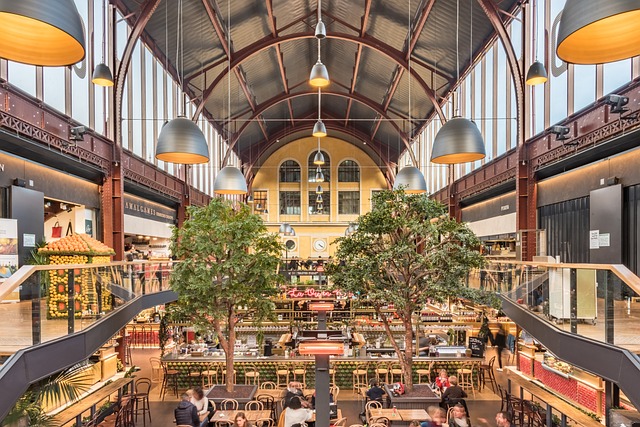
Dining in Saratoga Springs, NY: A Comprehensive Exploration
Introduction
Saratoga Springs, New York, is renowned not only for its natural beauty and historic significance but also for its vibrant dining scene. This article delves into the diverse and dynamic world of dining in Saratoga Springs, exploring its unique characteristics, global influences, economic impact, and future prospects. From historic restaurants to modern culinary innovations, Saratoga Springs offers a gastronomic journey that captivates locals and visitors alike. We will navigate through various aspects, uncovering the secrets behind this thriving dining culture and its potential to shape the culinary landscape.
Understanding Dining in Saratoga Springs, NY: A Cultural Tapestry
Definition and Core Components:
Dining in Saratoga Springs refers to the comprehensive culinary experience offered within the city limits of Saratoga Springs, NY. It encompasses not just restaurants but also cafes, bistros, food halls, and culinary events that showcase local, regional, and international cuisines. This vibrant dining scene is characterized by:
- Diverse Cuisines: From farm-to-table restaurants serving local produce to ethnic eateries offering global flavors, Saratoga Springs caters to diverse tastes.
- Seasonal Menus: The region's rich agricultural heritage inspires chefs to create seasonal menus, ensuring fresh and locally sourced ingredients.
- Historic Settings: Many dining establishments are housed in historic buildings, blending culinary experiences with the area's rich history.
- Farm-to-Table Movement: Saratoga Springs embraces the farm-to-table concept, fostering strong connections between local farmers and restaurants.
Historical Context:
Saratoga Springs has a long history of attracting visitors, dating back to the 19th century when it became a popular health resort due to its mineral springs. This historical context has shaped the city's culinary identity. Many early establishments evolved into fine dining venues, preserving their historic charm while offering modern gastronomic delights. Over time, the city attracted chefs and restaurateurs who brought diverse cuisines, contributing to the rich tapestry of dining experiences.
Significance:
Dining in Saratoga Springs plays a pivotal role in:
- Attracting Visitors: The city's renowned culinary scene is a significant draw for tourists, contributing to the local economy.
- Promoting Local Agriculture: By sourcing locally, restaurants support nearby farmers and foster a sustainable food system.
- Cultural Exchange: It serves as a melting pot of cultures, where residents and visitors alike can enjoy international cuisines.
- Community Engagement: Restaurants often host community events, fostering social connections and a sense of place.
Global Impact and Trends
International Influence:
Saratoga Springs' dining scene has been influenced by global culinary trends, with chefs drawing inspiration from around the world. This is evident in the diverse menu offerings, fusion cuisine, and innovative cooking techniques. For instance, Japanese-inspired sushi bars coexist with Italian trattorias, French bistros, and modern American restaurants, reflecting a cosmopolitan approach to dining.
Key Trends Shaping Saratoga Springs:
- Farm-to-Table Revolution: The local farm-to-table movement continues to gain momentum, with restaurants emphasizing fresh, seasonal ingredients sourced from nearby farms. This trend not only supports local agriculture but also ensures the highest quality produce on plates.
- Vegan and Vegetarian Options: There is a growing demand for plant-based dining options, prompting many restaurants to expand their menus to cater to this demographic. Saratoga Springs has embraced this trend, offering a variety of vegan and vegetarian choices.
- Experience-Driven Dining: Modern diners seek immersive experiences, leading to the creation of themed dinners, pop-up restaurants, and culinary festivals. These events bring the community together and attract visitors seeking unique gastronomic adventures.
- Sustainability Focus: Environmental concerns have led to a push for sustainable dining practices, including eco-friendly packaging, waste reduction, and responsible sourcing. Saratoga Springs restaurants are embracing these trends, contributing to a greener food culture.
Regional Differences:
The impact of global trends varies across different regions within Saratoga Springs:
- Downtown Core: Known for its eclectic mix of restaurants, this area attracts a younger crowd seeking trendy, fusion cuisines.
- Historic Districts: These neighborhoods offer more traditional dining experiences, appealing to locals and visitors looking for authentic, historic settings.
- Suburbs: Suburban areas tend to have family-friendly dining options, with an emphasis on comfort food and casual eateries.
Economic Considerations
Market Dynamics:
The dining industry in Saratoga Springs is a vital component of the local economy:
- Tourism Boost: The city's reputation for excellent dining attracts tourists, contributing significantly to the hospitality sector.
- Local Support: Residents actively support local restaurants, ensuring their survival and fostering a strong community spirit.
- Seasonal Fluctuations: Dining experiences tend to be more robust during the warmer months, with peak seasons driving economic activity.
Investment Patterns:
- Restaurant Ownership: Many establishments are family-owned, passed down through generations, reflecting a deep-rooted culinary heritage.
- Franchise Operations: Major restaurant chains also operate in Saratoga Springs, offering familiar dining experiences to tourists and locals alike.
- Pop-Up Restaurants: The rise of pop-up dining concepts allows chefs to experiment with new ideas, attract attention, and test market demand.
Economic Impact:
- Job Creation: The dining industry employs a substantial portion of the local workforce, including chefs, waitstaff, and kitchen staff.
- Revenue Generation: Restaurants contribute significantly to the city's tax revenue, supporting public services and infrastructure.
- Spillover Effect: Successful dining establishments can enhance nearby property values and stimulate economic growth in adjacent areas.
Technological Advancements
Digital Transformation:
Technology has revolutionized the dining experience in Saratoga Springs:
- Online Reservations: Customers can easily book tables online, improving convenience and restaurant management efficiency.
- Delivery and Takeout Apps: Services like Uber Eats and DoorDash have made it convenient for residents to enjoy restaurant meals at home.
- Social Media Engagement: Restaurants utilize social media platforms to showcase menus, promote specials, and engage with customers, fostering brand loyalty.
Point-of-Sale (POS) Systems:
Modern POS systems streamline operations:
- Efficient Transactions: Contactless payments and digital menu boards speed up service, enhancing customer satisfaction.
- Data Analytics: These systems provide valuable insights into sales trends, popular dishes, and customer preferences, aiding in inventory management and menu planning.
- Customer Loyalty Programs: Restaurants can reward loyal customers with discounts and special offers, fostering repeat business.
Emerging Tech Trends:
- Virtual Reality (VR) Dining: Some forward-thinking restaurants are exploring VR, offering immersive dining experiences where patrons can enjoy meals in virtual environments.
- Artificial Intelligence (AI) in Menu Planning: AI algorithms analyze customer preferences and market trends to suggest personalized menu options, improving customer engagement.
- Robotic Servers: While still rare, robotic servers assist in busy establishments, ensuring efficient service and reducing labor costs.
Policy and Regulation
Governing Bodies:
The dining scene in Saratoga Springs is regulated by various local and state agencies:
- Saratoga Springs Planning Department: Ensures that restaurants comply with zoning and health codes, preserving the city's character.
- New York State Health Department: Oversees food safety standards, licensing, and sanitation practices.
- Local Fire and Building Departments: Enforce building codes and fire safety regulations for historic establishments.
Key Policies and Regulations:
- Licensing and Permits: Restaurants must obtain licenses and permits for alcohol service, entertainment, and outdoor seating, ensuring compliance with local laws.
- Health and Safety Standards: Stringent food handling and hygiene practices are mandated to protect public health.
- Building Code Compliance: Historic buildings must meet specific preservation standards, preserving the city's architectural heritage.
- Noise Control: Regulations govern outdoor music and noise levels to maintain residential peace.
Legislative Frameworks:
- Local Zoning Laws: These laws dictate land use, ensuring that dining establishments align with neighborhood character and zoning regulations.
- Business Taxes: Restaurants are subject to various taxes, including sales tax and business property tax, contributing to local government revenues.
- Labor Laws: Minimum wage, overtime pay, and employee benefits regulations apply to the restaurant industry, ensuring fair labor practices.
Challenges and Criticisms
Main Issues:
- Competition: The city's vibrant dining scene presents intense competition among restaurants, making it challenging for new establishments to gain a foothold.
- Cost of Living: Saratoga Springs has a relatively high cost of living, impacting restaurant margins and the ability to attract and retain talented staff.
- Seasonality: The seasonal nature of tourism affects year-round dining businesses, requiring strategic planning and diverse revenue streams.
- Preserving Historic Character: While historic buildings add charm, maintaining them can be costly, posing challenges for restaurateurs looking to establish a unique setting.
Proposed Solutions:
- Collaborative Marketing: Restaurants can collaborate on promotional events and discounts to attract customers during off-peak seasons.
- Training Programs: Offering training and mentorship programs can help address labor shortages and enhance employee retention.
- Flexible Zoning: Local authorities could consider flexible zoning regulations to accommodate innovative dining concepts while preserving historic areas.
- Community Engagement: Encouraging community involvement in culinary events fosters a sense of belonging and supports local businesses.
Case Studies: Successful Dining Experiences
Case Study 1: The Farmstand Restaurant
The Farmstand Restaurant is a prime example of a successful farm-to-table establishment. Located on the outskirts of Saratoga Springs, it sources ingredients from nearby farms, creating seasonal menus that delight diners. Their focus on sustainability and supporting local agriculture has earned them a loyal customer base. By partnering with local producers, they ensure fresh, high-quality dishes and contribute to the region's food system.
Case Study 2: Bistro 135 - A Historic Transformation
Bistro 135, housed in a historic building, underwent a transformation to create a modern French bistro experience. They leveraged social media to attract a younger crowd while preserving the building's charm. By offering classic dishes with a contemporary twist, they appeal to locals and visitors seeking an authentic yet updated dining experience.
Case Study 3: Pop-Up Dining Series - The Festival of Flavors
Saratoga Springs hosts an annual pop-up dining series called "The Festival of Flavors," where renowned chefs collaborate to create unique culinary experiences. This event attracts food enthusiasts from across the region, showcasing the city's versatility and creativity. It also supports local businesses by engaging various restaurants and vendors, fostering a vibrant community atmosphere.
Future Prospects: Exploring New Horizons
Potential Growth Areas:
- Expanding Street Food Culture: Saratoga Springs could embrace street food festivals and markets, offering diverse, affordable dining options.
- Wellness-Focused Cuisine: With growing health consciousness, restaurants can cater to specific dietary needs and offer wellness-focused menus.
- Culinary Tourism Expansion: Marketing the city as a culinary destination can attract food-centric travelers, boosting the local economy.
- Technologically Enhanced Dining: Implementing innovative tech solutions like interactive menus and digital art installations can enhance the dining experience.
Emerging Trends to Watch:
- Sustainable Seafood: Restaurants can emphasize sustainable seafood sources, appealing to environmentally conscious diners.
- Plant-Based Meat Alternatives: The rise of plant-based meat products offers exciting opportunities for chefs to create innovative dishes.
- Immersive Dining Experiences: Pop-up dinners with unique themes and multi-sensory elements will continue to captivate diners.
- Personalized Nutrition: Customized meal plans based on individual health needs may become more prevalent.
Strategic Considerations:
- Diversify Menu Offerings: Restaurants should adapt to changing tastes by introducing diverse cuisines, vegetarian/vegan options, and gluten-free dishes.
- Embrace Technology: Utilizing online ordering, delivery apps, and digital marketing can improve customer reach and satisfaction.
- Community Engagement: Hosting community events, supporting local farmers, and participating in culinary festivals strengthen the restaurant's connection to Saratoga Springs.
- Sustainability Initiatives: Reducing food waste, adopting eco-friendly packaging, and sourcing sustainable ingredients are essential for long-term success.
Conclusion: A Culinary Journey Continues
Saratoga Springs' dining scene is a dynamic and captivating culinary destination that continues to evolve. From its rich history to its global influences, the city offers a diverse range of dining experiences. By embracing technological advancements, sustainable practices, and community engagement, Saratoga Springs can solidify its position as a leader in the culinary world. The future looks bright for this vibrant dining culture, promising exciting prospects for chefs, restaurateurs, and food enthusiasts alike.
FAQ Section: Answering Common Queries
Q: What makes Saratoga Springs' dining scene unique?
A: Saratoga Springs stands out due to its rich history, diverse cuisines, farm-to-table movement, and seasonal menus. The city's blend of historic settings and modern culinary innovations creates a one-of-a-kind dining experience.
Q: Are there any dietary options for visitors with food allergies?
A: Absolutely! Many restaurants in Saratoga Springs cater to various dietary needs, including gluten-free, vegan, and vegetarian options. It's advisable to inform your server about any allergies or restrictions upon reservation.
Q: Can you recommend a few must-visit dining establishments?
A: Certainly! Some notable spots include The Farmstand Restaurant for farm-to-table goodness, Bistro 135 for a historic French bistro experience, and The Saranac Hotel for elegant fine dining. Each offers a unique culinary journey.
Q: How does Saratoga Springs support local agriculture?
A: Through the farm-to-table movement, restaurants source ingredients directly from local farmers, reducing food miles and supporting sustainable agricultural practices. Many restaurants also showcase local produce on their menus, promoting seasonal dishes.
Q: Are there any festivals or events centered around dining?
A: Yes! Saratoga Springs hosts various culinary events, including the Festival of Flavors, a pop-up dining series that celebrates local cuisine and attracts food enthusiasts from around the region. These events highlight the city's vibrant dining culture.